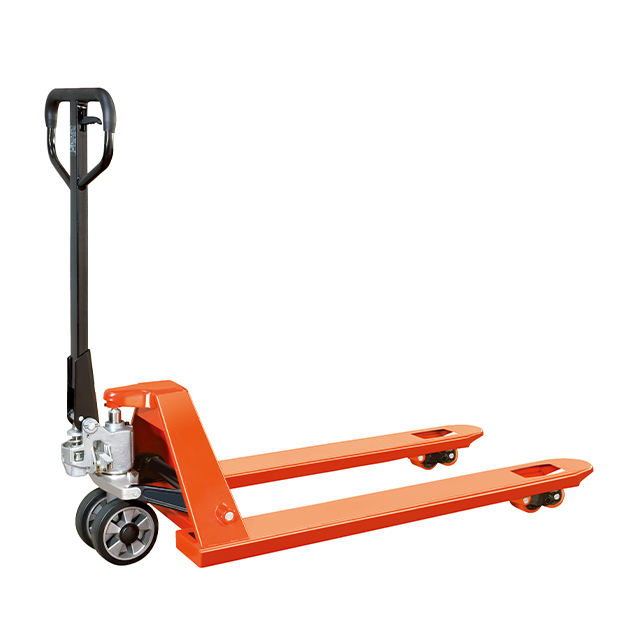
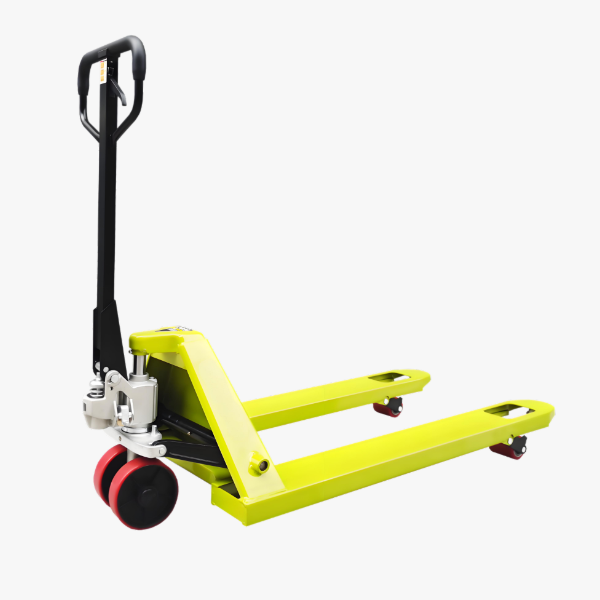
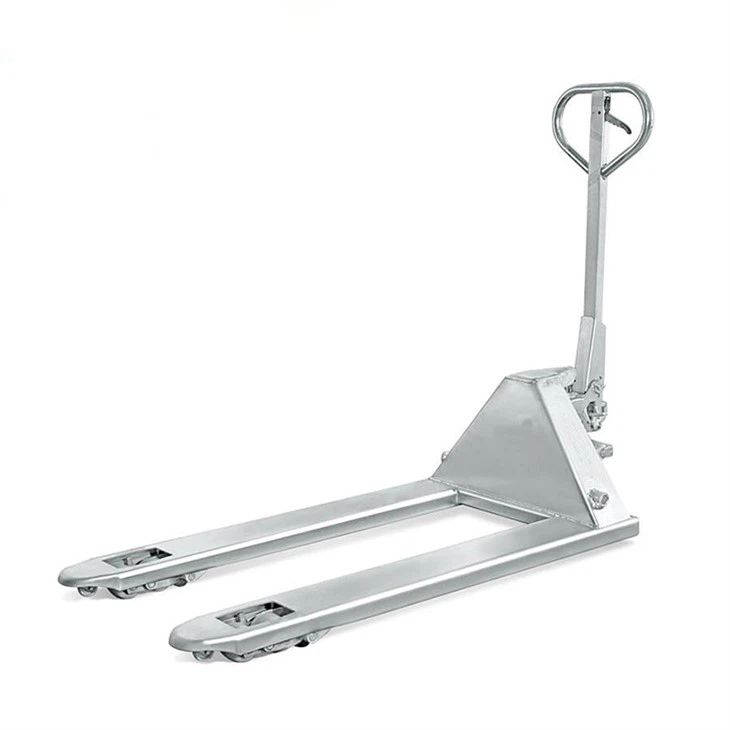
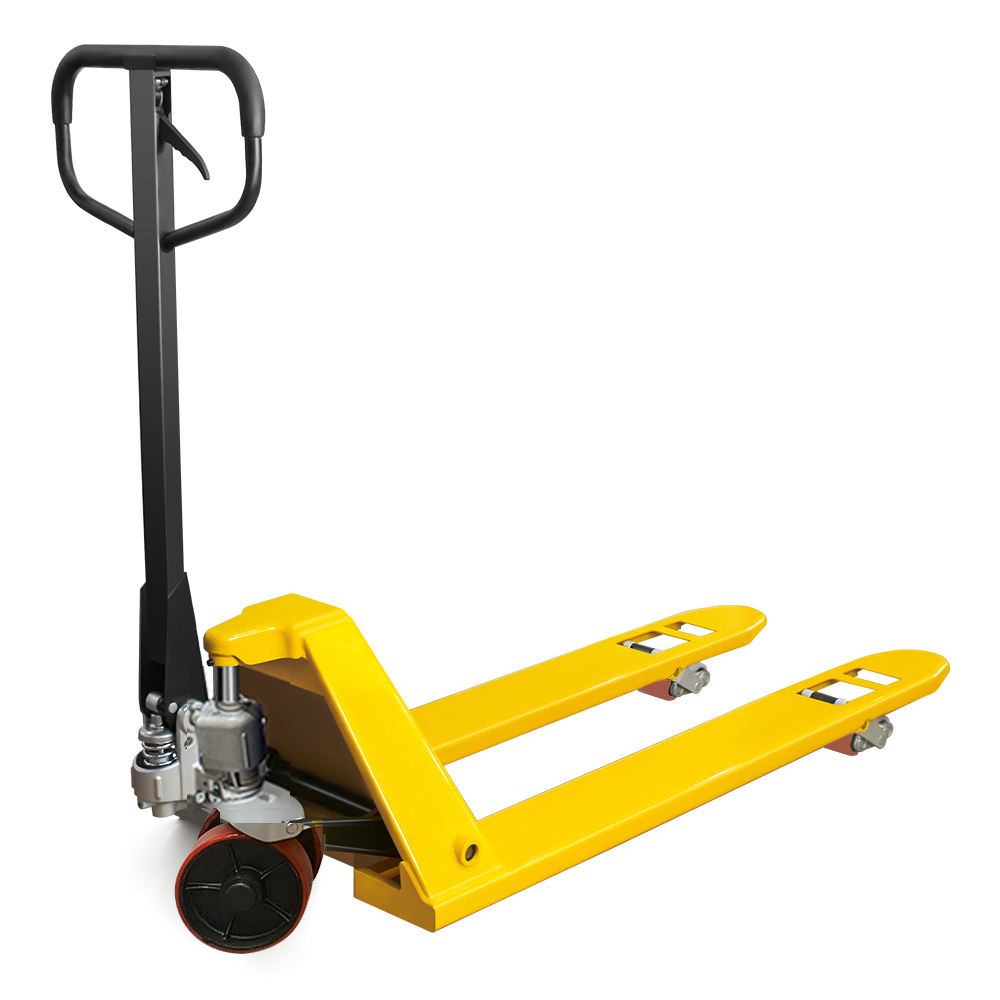
If your manual hydraulic pallet jack fails to lift, it can disrupt warehouse operations and slow down productivity. At ZZ Industrial, we specialize in manual pallet trucks and their components, and we understand how critical a fully functional pallet jack is to your workflow. Below, we break down the most common reasons why a pallet jack won’t lift and provide clear, step-by-step solutions.
Low Hydraulic Oil Level
Cause: The most frequent reason a pallet jack won’t go up is insufficient hydraulic oil. Leaks, evaporation, or long-term use can reduce oil volume, preventing the hydraulic system from building enough pressure.
Solution:
Check the oil reservoir (usually located under the handle or near the pump).
Top up with ISO VG 15 hydraulic oil (or as recommended by the manufacturer).
Avoid overfilling, and check for leaks after refilling.
Worn or Damaged Seals & O-Rings
Cause: Seals inside the hydraulic cylinder or pump can wear out, crack, or degrade over time, causing oil to bypass internally and preventing lifting.
Solution:
Inspect seals for wear or damage.
Replace with a pallet jack seal kit (available at ZZ Industrial).
Regularly lubricate seals to extend their lifespan.
Faulty Pump Mechanism
Cause: The pump piston or valve may be stuck, clogged with debris, or damaged. This prevents the pump from creating hydraulic pressure.
Solution:
Clean the pump assembly thoroughly.
Check the piston movement—if stuck, disassemble and clean or replace the pump unit.
For severe damage, consider replacing the pallet jack pump assembly.
Release Valve Not Fully Closed
Cause: If the release valve (usually a lever or knob on the handle) is partially open, pressure will not build, and the forks won’t rise.
Solution:
Ensure the release valve is in the fully closed position.
Inspect the valve for damage or debris, and clean if necessary.
Overloaded or Uneven Load
Cause: Exceeding the pallet jack’s rated capacity (e.g., 2,500 kg) can strain the hydraulics. An unbalanced load may also cause lifting issues.
Solution:
Verify the load is within the jack’s capacity.
Distribute weight evenly on the forks.
Air in the Hydraulic System
Cause: Air bubbles trapped inside can reduce hydraulic efficiency, causing weak or no lifting.
Solution:
"Bleed” the system by pumping the handle several times with the release valve open, then close and try lifting.
Top up oil to minimize air ingress.
Damaged or Bent Components
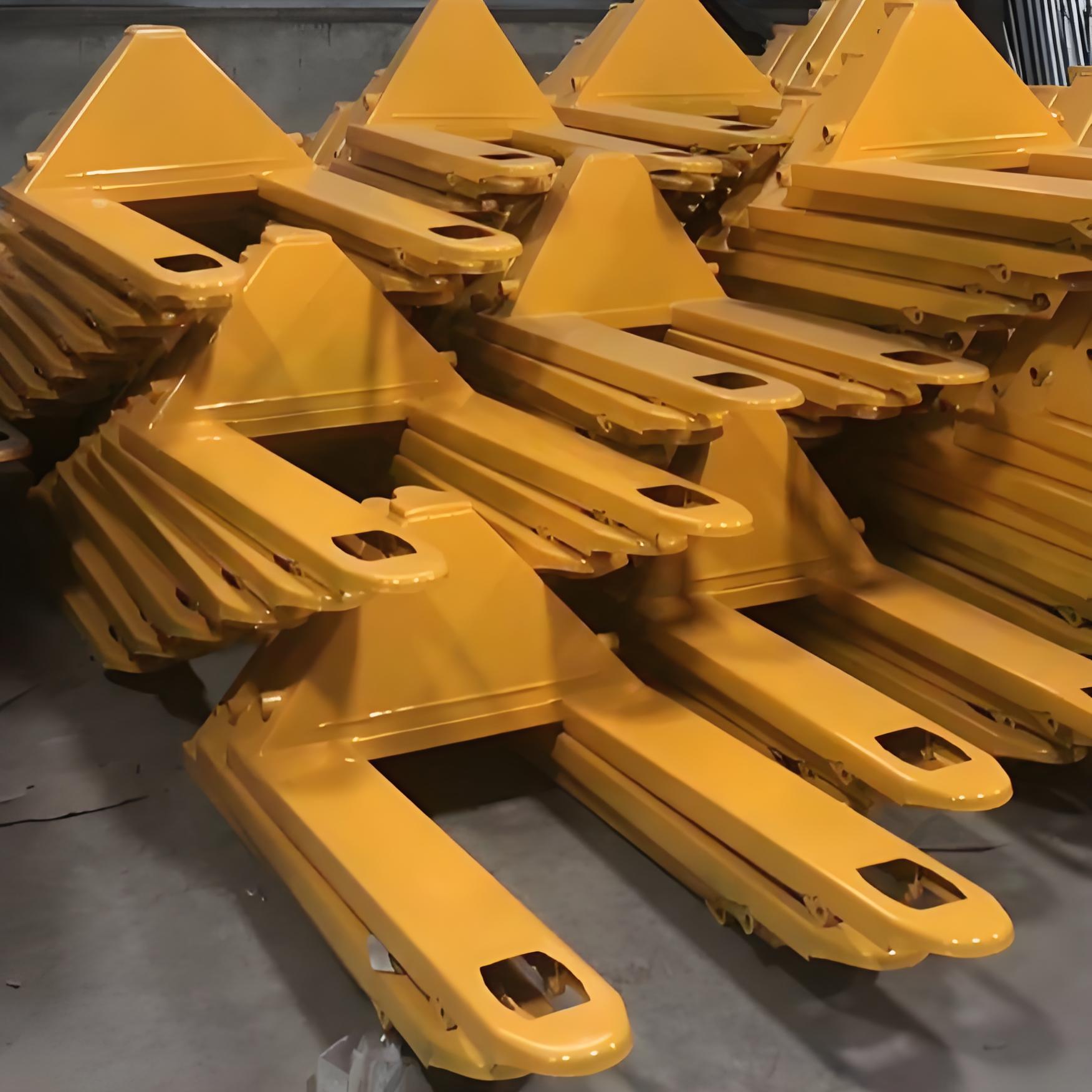
Cause: A bent fork, damaged wheels, or a misaligned frame can prevent smooth operation.
Solution:
Inspect for visible damage.
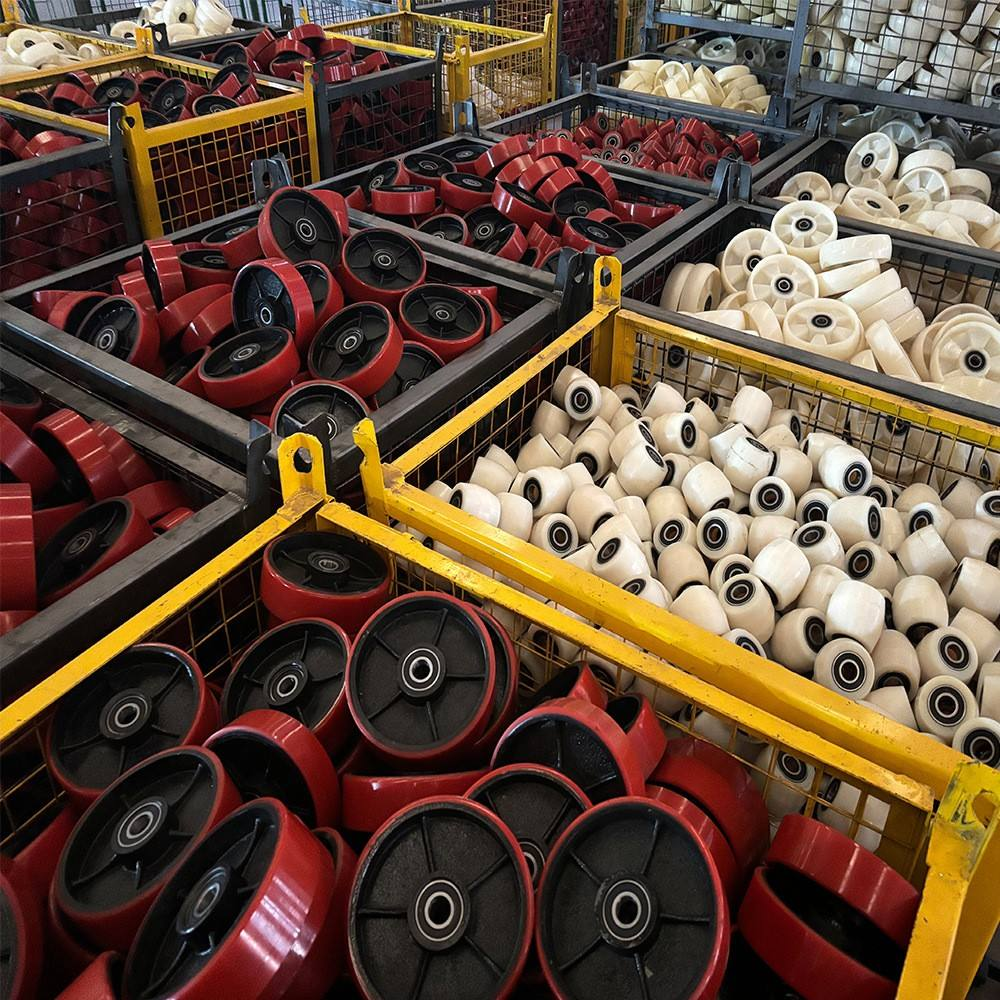
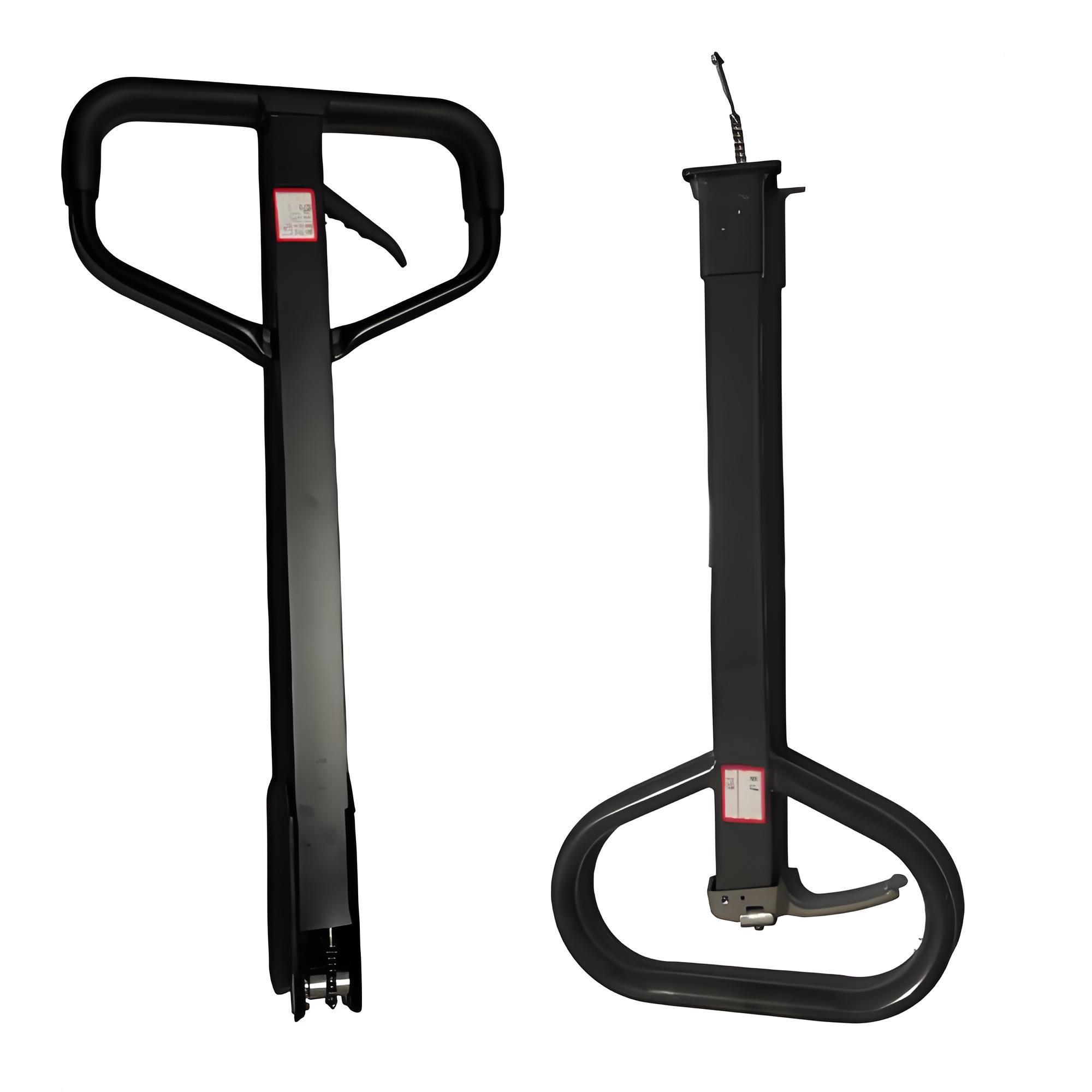
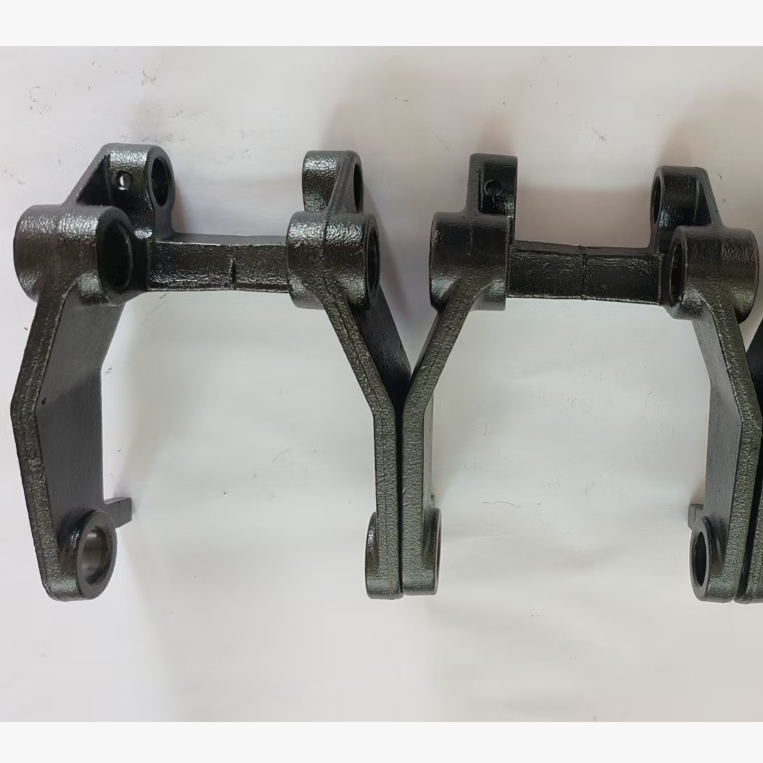
Replace damaged parts such as wheels, axles, or forks (available in ZZ Industrial’s accessories catalog).
Step-by-Step Troubleshooting Guide
Check the release valve – Ensure it’s fully closed.
Inspect hydraulic oil – Top up if low; look for leaks.
Test the pump – Pump the handle and listen for unusual sounds.
Examine seals and valves – Replace if worn.
Verify load limits – Do not exceed rated capacity.
Bleed the system – Remove trapped air.
When to Seek Professional Repair or Replace Parts
If basic troubleshooting doesn’t solve the issue, you may need to:
Replace the hydraulic pump unit or cylinder.
Install a new seal kit.
Upgrade worn components like wheels or bearings.
ZZ Industrial offers a full range of pallet jack spare parts and repair kits to keep your equipment running smoothly.


 Русский
 Español
 عربي
عربي Tiếng Việt
 Türkçe