
 Русский
 Español
 عربي
عربي Tiếng Việt
 Türkçe
How They Work
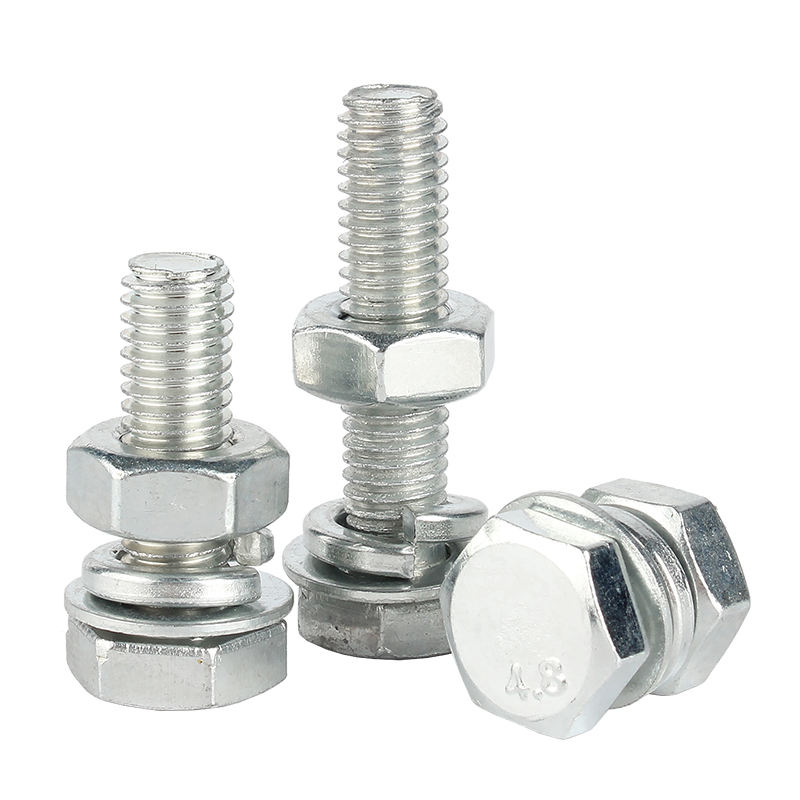
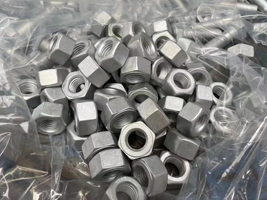
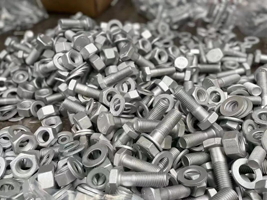
Pallet jack screws and bolts are fundamental fastening elements that secure various parts of the jack, including the handle, fork, wheels, and hydraulic system. They ensure structural integrity under load and during movement, preventing loosening or failure that could lead to accidents or breakdowns.
Types and Differences
-
Machine Screws: Used for metal-to-metal connections, often with pre-tapped holes.
-
Bolts with Nuts: Commonly used for assembling structural frames, requiring wrenches for tightening.
-
Self-Tapping Screws: Designed to cut threads into materials like plastic or thin metal, ideal for non-pre-threaded components.
-
High-Strength Bolts: Used in high-stress areas such as the load-bearing fork and lifting mechanism.
Applications
-
Handle assembly and grip attachment
-
Fork frame construction
-
Wheel axle mounting
-
Hydraulic cylinder and pump connections
-
Control lever and steering mechanism
Advantages
-
Durability: High-quality screws and bolts resist wear, corrosion, and fatigue.
-
Safety: Proper fastening prevents component separation during operation.
-
Ease of Maintenance: Standardized sizes allow for easy replacement and repair.
-
Cost-Effectiveness: Reliable fasteners reduce downtime and repair costs.
Common Materials
-
Carbon Steel: Economical and strong, often coated for corrosion resistance.
-
Stainless Steel: Excellent corrosion resistance, suitable for humid or chemical environments.
-
Alloy Steel: Enhanced strength and toughness for heavy-duty applications.
-
Zinc or Chrome Plating: Adds a protective layer against rust and wear.
Performance
-
Load Capacity: Must withstand dynamic and static loads without deformation.
-
Vibration Resistance: Locking features (e.g., nylon inserts, thread lockers) prevent loosening.
-
Environmental Adaptability: Materials should be chosen based on operating conditions (indoor/outdoor, temperature, humidity).
-
Longevity: Regular inspection and proper torque during installation extend service life.
Maintenance Tips
-
Regularly check for looseness, corrosion, or damage.
-
Use appropriate tools for tightening to avoid over- or under-torquing.
-
Replace worn or damaged screws and bolts immediately.
-
Keep spare fasteners of common sizes for quick repairs.