
 Русский
 Español
 عربي
عربي Tiếng Việt
 Türkçe
1. Product Introduction
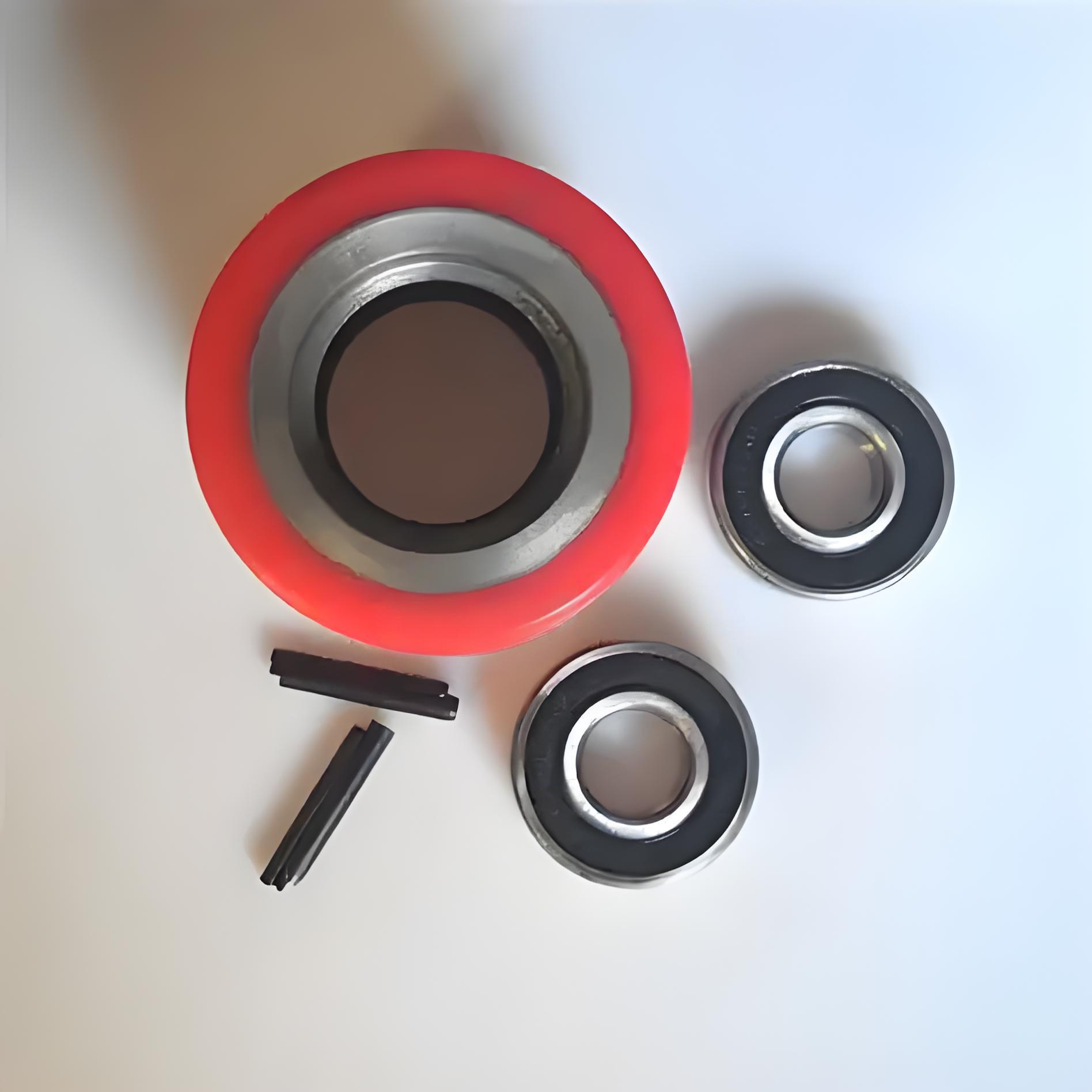
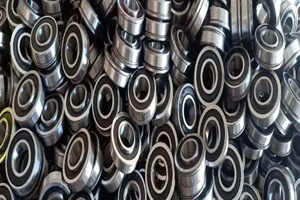
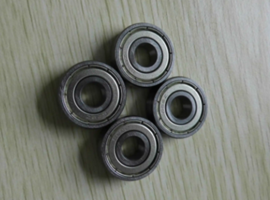
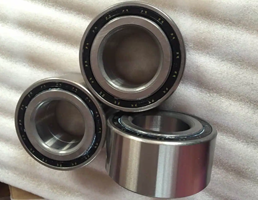
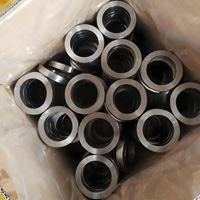
Bearings for manual pallet trucks are precision components installed within the wheel assemblies (steer wheels and load wheels). Their primary function is to facilitate smooth rotation by minimizing friction between the axle and the wheel hub. Typically constructed as sealed, pre-lubricated units, they are designed to withstand heavy loads and harsh warehouse environments without requiring frequent maintenance. The most common types used are deep groove ball bearings and tapered roller bearings, chosen based on the specific load and mobility requirements of the truck.
2. Role and Function
Bearings are the unsung heroes of manual pallet truck performance. They serve several critical functions:
-
Reduce Friction: They enable wheels to rotate freely with minimal resistance, making it easier for an operator to lift, maneuver, and transport heavy palletized loads.
-
Support Load: They bear the radial and axial loads from the pallet's weight, distributing stress evenly and preventing damage to the axle and wheel hub.
-
Ensure Smooth Movement: High-quality bearings provide consistent, smooth rolling action, which is essential for precise steering and control, especially when loaded.
-
Enhance Durability: By protecting metal components from direct metal-to-metal contact, they significantly reduce wear and tear, extending the service life of the entire pallet truck.
3. Production Process
The manufacturing of these bearings follows a standardized precision engineering process:
-
Material Selection: High-carbon chrome steel (like SAE 52100) is commonly used for its superior hardness and wear resistance.
-
Forging & Machining: Steel is forged into rough shapes and then machined to create the inner ring, outer ring, and rolling elements (balls or rollers) with extremely tight tolerances.
-
Heat Treatment: Components undergo hardening and tempering processes to achieve the necessary core toughness and surface hardness.
-
Grinding & Finishing: Raceways and surfaces are precision-ground and polished to a mirror-like finish for ultra-smooth operation.
-
Assembly & Sealing: Rolling elements are assembled between the rings with a cage/retainer. The unit is then packed with grease and sealed with rubber or metal shields to protect against contaminants like dust and moisture.
-
Quality Testing: Finished bearings undergo rigorous testing for noise, vibration, rotational accuracy, and load capacity.
4. Key Advantages
-
Improved Efficiency: Low-friction rotation reduces operator effort and fatigue, increasing productivity.
-
High Load Capacity: Engineered to handle dynamic and static loads far exceeding the truck's rated capacity.
-
Low Maintenance: Sealed and pre-lubricated designs are often "lubricated for life," requiring no routine servicing.
-
Corrosion Resistance: Many bearings feature coatings or are made from stainless steel for use in damp or washdown environments (e.g., food processing).
-
Cost-Effective: They protect more expensive components (axles, wheels) from premature failure, reducing total ownership costs.
5. Applications
Manual pallet truck bearings are ubiquitous in industries that involve material handling:
-
Warehousing & Distribution: For loading/unloading trucks and moving goods within storage facilities.
-
Manufacturing: Transporting raw materials and finished products along assembly lines.
-
Retail & Supermarkets: Stocking shelves and handling deliveries in backrooms.
-
Logistics & Freight: Used in cross-docking and cargo handling operations.
-
Food & Beverage, Pharmaceuticals: Utilizing corrosion-resistant bearings for hygienic, washdown-capable trucks.