
 Русский
 Español
 عربي
عربي Tiếng Việt
 Türkçe
The hydraulic pump of the manual hydraulic pallet handling vehicle is mainly responsible for converting manual mechanical energy into stable hydraulic energy, driving the forks to lift and lower smoothly, and transporting heavy goods
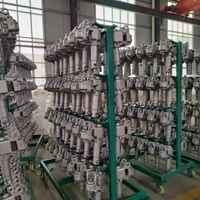
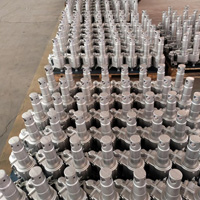
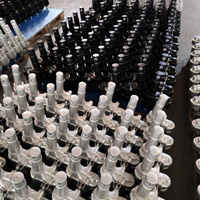
The manual pallet handling vehicle drives the hydraulic pump to work through the operating handle, and the hydraulic oil pushes the plunger rod inside the oil cylinder under pressure, thereby lifting the forklift to achieve lifting. The key is that its hydraulic system control valve adopts a damping valve core, which can buffer the oil leakage speed and ensure that the fork can slowly, smoothly, and safely land when descending. Some models can carry up to 5 tons by strengthening the fork frame structure.
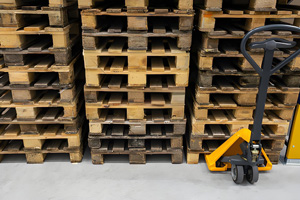
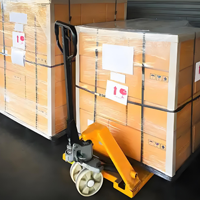
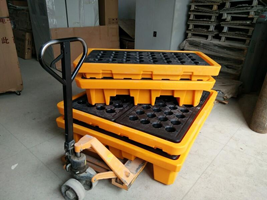
As the core power source, the hydraulic pump of manual pallet trucks is applied throughout the short distance handling of goods in multiple links such as warehousing and logistics, production and manufacturing, and commodity circulation. Its core function is to provide stable and reliable hydraulic power to achieve safe lifting and movement of pallet goods.
Main application scenarios
1. Logistics warehousing and distribution
Internal warehouse turnover: Short distance handling of palletized goods between the shelf area, sorting area, and loading and unloading area.
Loading and unloading assistance: unloading pallets from trucks or containers, or vice versa, especially suitable for areas without platforms or limited equipment.
Distribution center sorting: Move goods to designated areas for sorting, review, or packaging.
2. Industrial production and manufacturing
Production line feeding: Timely delivery of raw materials or semi-finished pallets to production line workstations.
Workshop handling: transferring materials between different processes, equipment, or storage areas in the workshop.
Finished product outbound: Collect the packaged finished product pallets in the shipping area.
3. Retail and Supermarkets
Backyard warehouse management: Receive, organize, and store palletized goods delivered by suppliers in the back warehouse of the store.
Store replenishment: Transport the entire pallet of goods from the back warehouse to the sales area of the store for restocking.
Empty pallet management: Collect and organize empty pallets after unloading.
4. Other specific locations
Cold chain logistics: Handling palletized goods such as frozen food and medicine in low-temperature environments such as cold storage.
Airport freight: handling bulk palletized cargo inside air containers.
Postal express delivery: Handling the sorting and transportation of large or bulk parcels and parcels.
Agriculture and wholesale markets: transporting boxes of agricultural products, food, etc.