
 Русский
 Español
 عربي
عربي Tiếng Việt
 Türkçe
Introduction to Pallet Jack Polyurethane Wheels
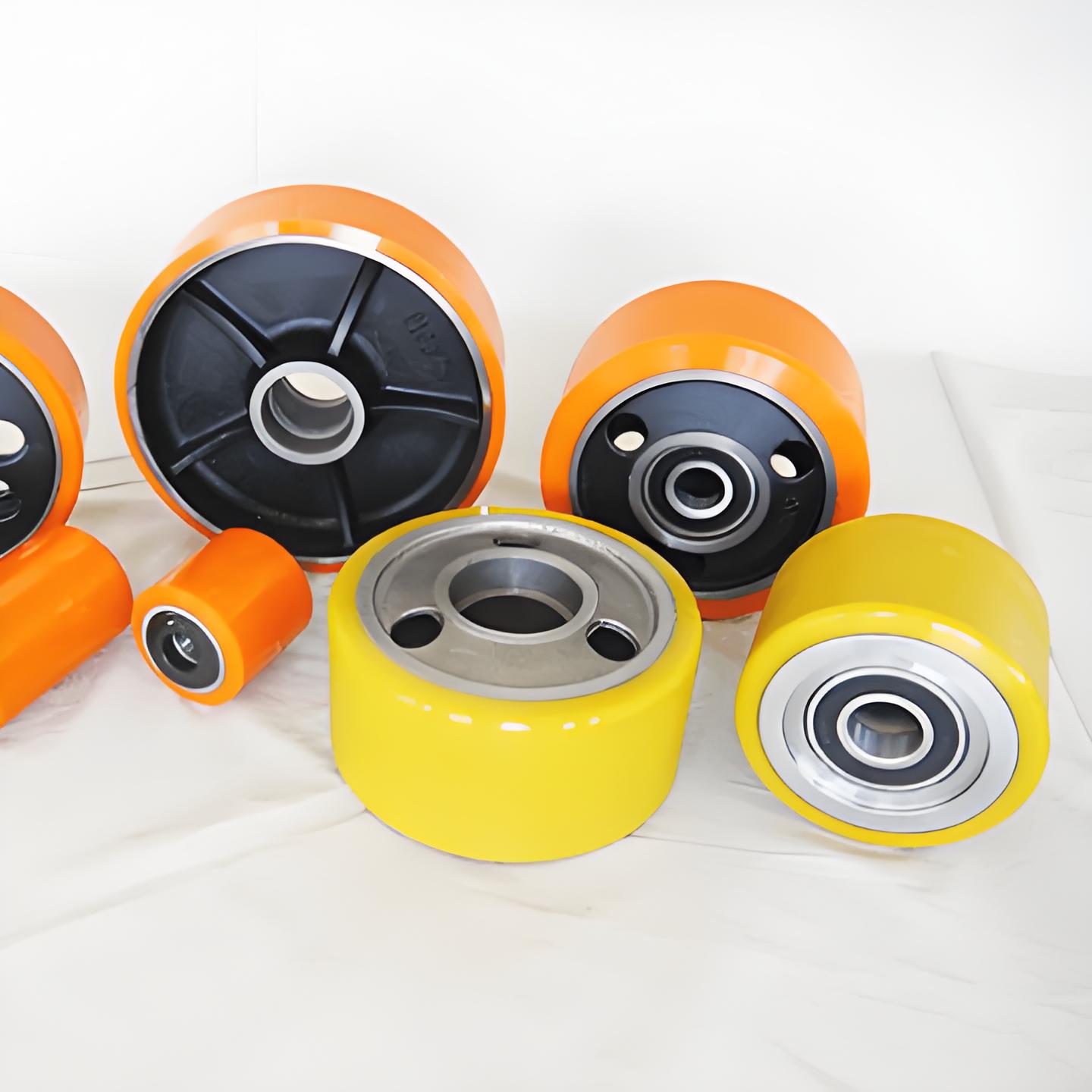
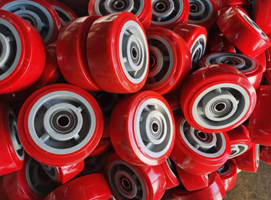
Polyurethane wheels are widely used in material handling equipment, especially in manual pallet jacks, due to their durability and performance. They are designed to withstand heavy loads, resist wear, and provide smooth movement across various floor surfaces.
How Polyurethane Wheels Work
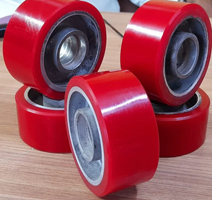
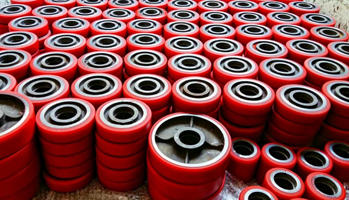
Polyurethane wheels operate by distributing the load evenly across the wheel surface, reducing pressure on the floor. Their elasticity allows them to absorb shocks and vibrations, ensuring stable and quiet operation. The wheel’s core is typically made of steel or aluminum, while the outer layer is made of polyurethane, providing a balance between strength and flexibility.
Differences from Other Wheel Materials
-
Polyurethane vs. Nylon Wheels: Polyurethane offers better floor protection and quieter operation, while nylon is harder and may cause floor damage.
-
Polyurethane vs. Rubber Wheels: Polyurethane is more durable and resistant to oils and chemicals, whereas rubber may wear faster and degrade in harsh environments.
-
Polyurethane vs. Plastic Wheels: Polyurethane provides higher load capacity and longevity compared to standard plastic wheels.
Applications of Polyurethane Wheels
Polyurethane wheels are ideal for:
-
Warehouses and distribution centers
-
Manufacturing facilities
-
Retail and grocery stores
-
Food processing and pharmaceutical industries (where hygiene and floor protection are critical)
-
Environments requiring quiet and smooth movement
Advantages of Polyurethane Wheels
-
High Load Capacity: Can handle heavy loads without deformation.
-
Floor Protection: Non-marking and gentle on floors.
-
Quiet Operation: Reduces noise in work environments.
-
Chemical and Oil Resistance: Suitable for industrial settings.
-
Long Service Life: Resists abrasion and wear, reducing replacement frequency.
Material Properties
Polyurethane is a polymer material known for its:
-
High elasticity and resilience
-
Excellent abrasion resistance
-
Good resistance to oils, greases, and chemicals
-
Wide temperature tolerance range
-
Customizable hardness levels (measured in Durometer)
Performance in Real-World Use
In practical applications, polyurethane wheels demonstrate:
-
Consistent performance over long periods
-
Minimal maintenance requirements
-
Improved operator comfort due to vibration absorption
-
Compatibility with various floor types, including concrete, tile, and epoxy