
 Русский
 Español
 عربي
عربي Tiếng Việt
 Türkçe
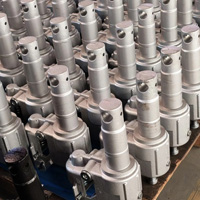
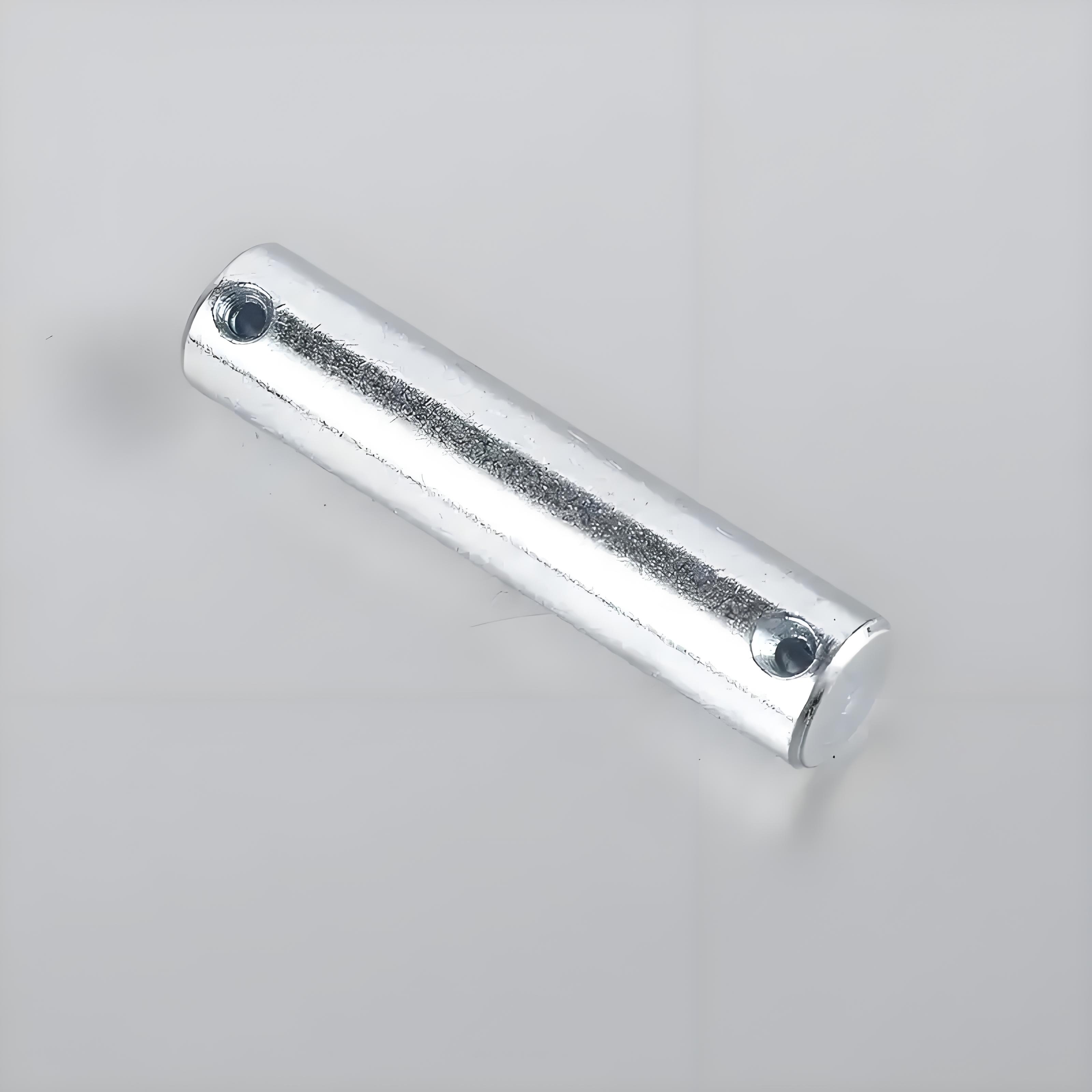
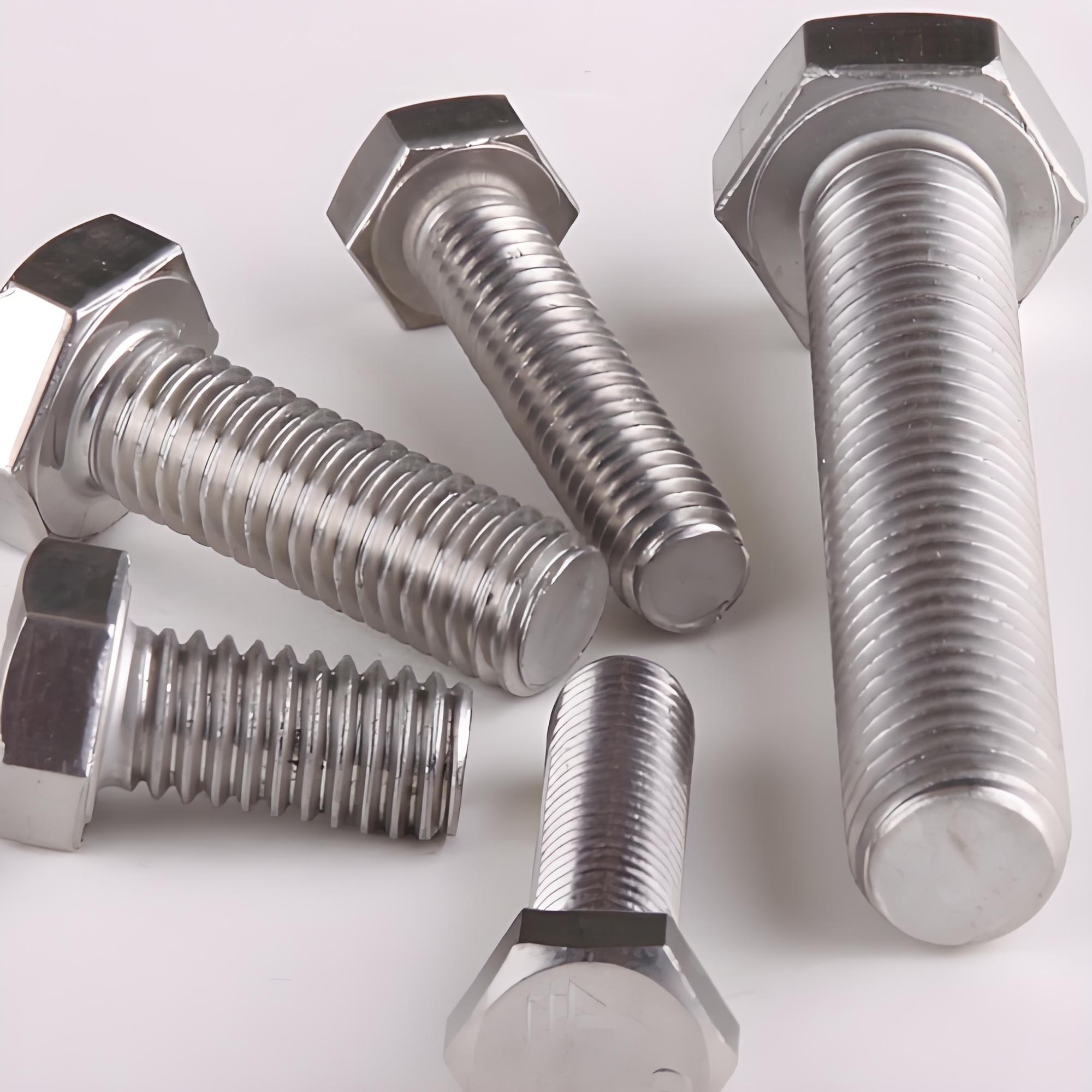
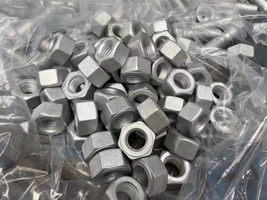
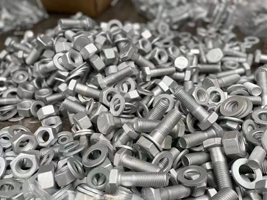
Screws and bolts used in manual pallet jacks are precision-engineered fasteners designed to withstand high stress and repeated operational cycles. They are typically made from high-strength steel and undergo specialized treatments to enhance durability. These components play a vital role in maintaining the structural integrity of pallet jacks, ensuring smooth and safe material handling operations.
Role & Function
-
Structural Integrity: Securely join critical parts like forks, chassis, and hydraulic systems.
-
Safety Assurance: Prevent component loosening or failure during lifting and moving loads.
-
Load Distribution: Help distribute mechanical stress evenly across the pallet jack framework.
-
Easy Maintenance: Enable quick disassembly and reassembly for repairs or part replacements.
Production Process
-
Material Selection: High-grade carbon steel or alloy steel.
-
Cold/Hot Forging: Precision shaping for consistent thread and head geometry.
-
Heat Treatment: Quenching and tempering to achieve optimal hardness and toughness.
-
Surface Coating: Zinc plating, galvanization, or phosphate coating for corrosion resistance.
-
Quality Inspection: Dimensional checks, torque testing, and salt-spray tests for reliability.
Advantages
-
High Tensile Strength: Resists deformation under heavy loads.
-
Corrosion Resistance: Suitable for warehouse and industrial environments.
-
Vibration Resistance: Thread-locking features reduce loosening from continuous use.
-
Interchangeability: Standardized threads (e.g., metric, UNC) ensure compatibility.
-
Cost-Effective: Long service life reduces maintenance and replacement frequency.
Applications
-
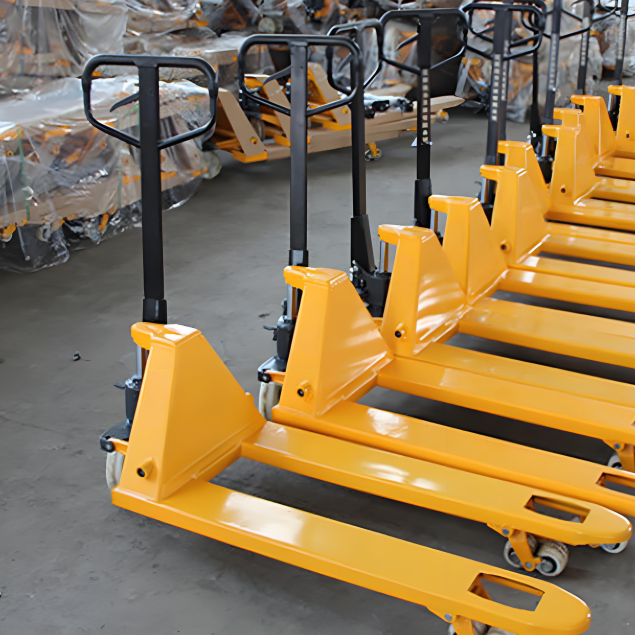
Pallet Jack Assembly: Used in manufacturing and repair of manual pallet jacks.
-
Logistics & Warehousing: Essential for equipment maintenance in distribution centers.
-
Industrial Maintenance: Securing components in material handling systems.
-
Retail & Manufacturing: Supporting day-to-day operations of pallet jack fleets.