
 Русский
 Español
 عربي
عربي Tiếng Việt
 Türkçe
How It Works
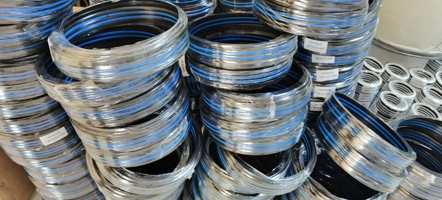
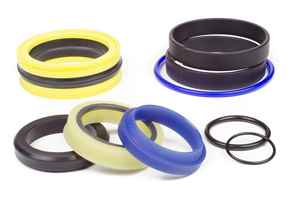
The seal kit typically includes O-rings, piston seals, and valve seals installed in the hydraulic cylinder and pump system. It prevents hydraulic oil leakage, maintains stable system pressure, and ensures smooth lifting and lowering operations.
Key Differences
-
Material Variations: Common materials include Nitrile (NBR), Polyurethane (PU), and Fluorocarbon (FKM), suited for different temperatures and media.
-
Model Compatibility: Seal kits must match specific truck brands and models, with variations in size and design.
-
Performance Grades: Some kits offer enhanced features like heat resistance, wear resistance, and anti-aging.
Applications
Widely used in maintenance of manual hydraulic pallet trucks in logistics, manufacturing, retail distribution, and other material handling environments—ideal for regular servicing, breakdown repairs, or performance upgrades.
Advantages
-
Extends Equipment Life: Prevents oil leaks and system contamination.
-
Low Maintenance Cost: More economical than full system repairs.
-
Operational Safety: Maintains hydraulic stability, preventing sudden pressure loss.
-
Eco-Friendly: Reduces hydraulic oil waste, supporting sustainable operations.
Materials Used
Seals are made from high-performance elastomers such as:
-
Nitrile Rubber: Excellent oil resistance, suitable for general industrial use.
-
Polyurethane: High wear resistance, ideal for high-frequency applications.
-
Fluorocarbon Rubber: Resistant to high temperatures and chemicals, suited for harsh conditions.
Performance
In high-pressure, high-frequency logistics environments, quality seal kits maintain long-term sealing integrity, resist wear and aging, and perform reliably across temperatures from -20℃ to +100℃, ensuring consistent operation under various conditions.