
 Русский
 Español
 عربي
عربي Tiếng Việt
 Türkçe
How Does the Hand Pallet Truck Supporting Seat Operate?
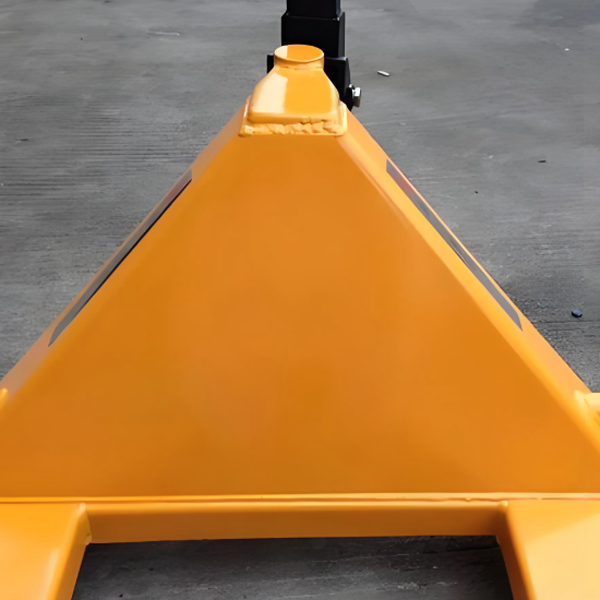
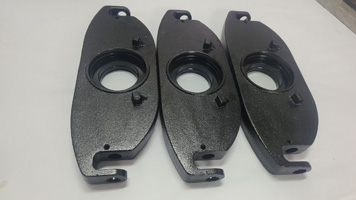
The Supporting Seat is mounted at the base of the hand pallet truck, directly interfacing with the forks and the hydraulic system. It distributes the weight of the load evenly across the frame, reducing stress on individual components and ensuring smooth lifting and lowering motions. Its design allows for seamless integration with the truck’s wheels and steering mechanism, facilitating easy maneuverability even in tight spaces.
Differences Between Supporting Seats and Other Structural Components
Unlike standard brackets or simple mounting plates, the Supporting Seat is engineered with reinforced geometry and material integrity. While other components may focus solely on connection or alignment, the Supporting Seat emphasizes load distribution, shock absorption, and resistance to deformation under repeated use.
Applications of Hand Pallet Truck Supporting Seats
These seats are essential in warehouses, distribution centers, manufacturing plants, and logistics hubs where hand pallet trucks are used daily. They are particularly valuable in environments with uneven floors, frequent heavy loads, or high-intensity handling cycles.
Advantages of Using a High-Quality Supporting Seat
-
Enhanced load stability and safety
-
Reduced wear and tear on forks and hydraulics
-
Improved truck lifespan and reliability
-
Lower maintenance costs and downtime
-
Better operator control and comfort
Materials Used in Manufacturing
Supporting Seats are typically made from high-strength steel or reinforced polycarbonate composites, depending on the load capacity and operational environment. Steel offers superior strength for heavy-duty applications, while polycarbonate-based seats provide corrosion resistance and lighter weight for specific industrial needs.
Performance Under Stress and Heavy Use
In high-pressure scenarios, such as moving overloaded pallets or operating on rough surfaces, a well-designed Supporting Seat maintains structural integrity, prevents bending or cracking, and ensures consistent performance. Its ability to absorb vibrations and impacts contributes to both equipment longevity and operator safety.